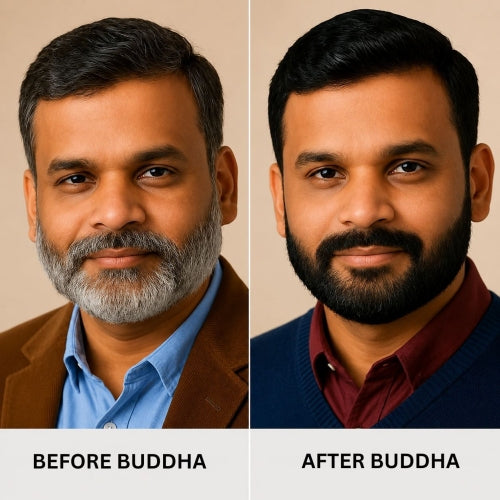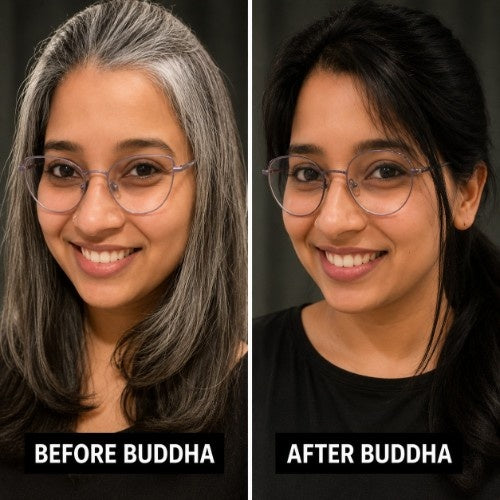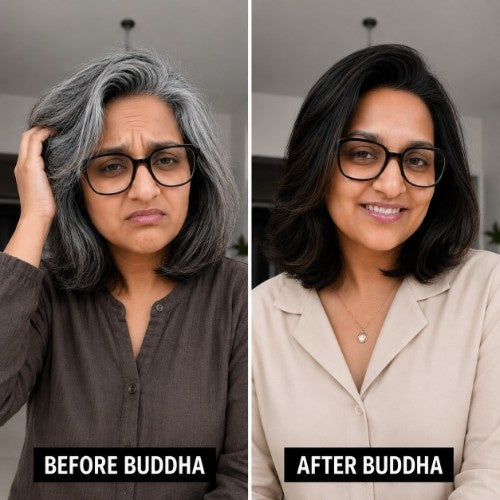

Finding your first grey beard hair can be surprising—especially when you're only 30. Many men expect grey hair to appear in their 40s or 50s, so noticing silver strands in the beard at a younger age often raises questions.
The good news is that a grey beard at 30 is more common than many people realize. While genetics play the biggest role, several other factors—including oxidative stress, nutritional deficiencies, smoking, and overall lifestyle—may contribute to premature greying.
Beard oil can permanently reverse genetically grey hair, healthy beard care, good nutrition, and antioxidant-rich formulations will help support healthier-looking beard hair and reduce further damage to existing hair.
In this guide, you'll learn:
- Why beard hair turns grey earlier than scalp hair
- Common causes of premature beard greying
- What dermatologists say about grey beard treatment
- The Ayurvedic perspective on premature greying
- Daily habits that may help support beard health
- How a targeted beard serum may complement your grooming routine
Is It Normal to Have a Grey Beard at 30?
Yes. Dermatologists generally define premature hair greying (premature canities) as greying before:
- Age 20 in people of African ancestry
- Age 25 in people of Asian ancestry
- Age 30 in people of European ancestry

Practo - Grey Beard at 30 Licensed under CC BY 2.0
Because beard follicles can behave differently from scalp follicles, some men notice grey beard hairs even when the hair on their head remains completely black. Several published dermatology studies note that beard hair and scalp hair may grey at different rates because their pigment-producing cells (melanocytes) age differently.
Why Does Beard Hair Turn Grey?
Every hair follicle contains specialized cells called melanocytes. These cells produce melanin, the pigment responsible for your natural hair color. Two main forms of melanin determine beard color:
- Eumelanin (black and brown shades)
- Pheomelanin (yellow and reddish tones)
As we age—or when melanocytes become damaged—they gradually produce less melanin. Eventually, the hair grows without pigment and appears grey, silver, or white. Researchers have identified several biological processes involved:
- Oxidative stress
- Accumulation of hydrogen peroxide within hair follicles
- Decline in melanocyte stem cells
- Reduced activity of pigment-producing enzymes
- Genetic programming
Why Does a Grey Beard Sometimes Appear Before Grey Hair on the Head?
Many men notice that their beard begins greying years before the hair on their scalp. According to dermatology research, this happens because facial hair follicles differ biologically from scalp follicles.

Pinterest - Grey Beard Before and After Licensed under CC BY 2.0
Key differences include:
- Different sensitivity to hormones such as testosterone and dihydrotestosterone
- Independent pigment cell aging
- Different hair growth cycles
- Greater exposure to environmental stressors such as UV radiation and pollution
This explains why you may have:
- Black scalp hair
- A salt-and-pepper beard
- Grey hairs concentrated around the chin or sideburns
Without any underlying disease.
Common Causes of a Grey Beard at 30
1. Genetics (The Most Common Cause) - If your father, grandfather, or close relatives developed grey hair early, you are significantly more likely to experience premature beard greying. Scientists consistently identify genetics as the strongest predictor of when melanocytes gradually stop producing pigment. Unfortunately, genetics cannot currently be changed.
2. Oxidative Stress - One of the most important discoveries in hair biology is the role of oxidative stress. Every day, your cells produce unstable molecules known as free radicals. Normally, your body's antioxidant systems neutralize them. When free radicals exceed your body's antioxidant defenses, oxidative stress can damage melanocytes inside the hair follicle. Researchers have found increased oxidative damage in prematurely grey hair follicles.
3. Vitamin and Mineral Deficiencies - Certain nutritional deficiencies have been associated with premature greying in some individuals. These include:
- Vitamin B12 deficiency
- Iron deficiency
- Low ferritin
- Copper deficiency
- Vitamin D deficiency
- Folate deficiency
Not everyone with grey hair has these deficiencies, but your healthcare provider may recommend testing if greying occurs unusually early or is accompanied by fatigue or other symptoms.
4. Smoking - Smoking has repeatedly been linked with premature hair greying. Researchers believe cigarette smoke increases oxidative stress throughout the body while reducing antioxidant defenses. Multiple studies have found smokers are more likely to experience premature greying than non-smokers.
5. Chronic Psychological Stress - Research suggests prolonged stress can affect melanocyte stem cells involved in maintaining hair pigmentation. Stress management remains an important part of overall hair health.
6. Autoimmune and Medical Conditions - In some cases, premature greying may be associated with medical conditions such as:
- Thyroid disorders
- Vitiligo
- Pernicious anemia
- Certain autoimmune diseases
If greying is sudden, patchy, or accompanied by hair loss or other symptoms, consult a dermatologist for evaluation.
What Do Dermatologists Say?
Dermatologists generally agree on several important points:
- Genetics is the strongest determinant of premature greying.
- There is currently no scientifically proven treatment that permanently restores pigment to genetically grey hair.
- Good nutrition, treatment of nutritional deficiencies, smoking cessation, and proper hair care may help maintain healthy hair.
- More research is needed before any cosmetic ingredient can be considered a definitive solution for reversing grey hair.
What Do Hair Specialists Recommend for Premature Beard Greying?
Hair specialists generally focus on identifying the underlying cause before recommending any treatment. While genetics cannot be changed, addressing modifiable factors may help support healthier hair growth and reduce additional stress on beard follicles.

Buddha Natural - Anti Grey Beard Serum Licensed under CC BY 2.0
Common recommendations include:
- Eat a balanced diet rich in protein, iron, zinc, copper, and B vitamins.
- Correct nutritional deficiencies after appropriate testing and medical advice.
- Avoid smoking and limit excessive alcohol consumption.
- Protect your beard from excessive UV exposure and environmental pollutants.
- Use gentle, nourishing beard-care products instead of harsh cleansers.
- Manage stress through regular exercise, adequate sleep, and relaxation techniques.
- Consult a dermatologist if greying is sudden, patchy, or associated with hair loss or skin changes.
The Ayurvedic Perspective on Premature Beard Greying
In Ayurveda, premature greying of hair is described under Palitya. Classical Ayurvedic texts associate early greying with an imbalance of Pitta Dosha, along with factors such as poor digestion, inadequate nutrition, chronic stress, disturbed sleep, and unhealthy lifestyle habits. Traditional Ayurvedic recommendations may include:
- Following a balanced diet rich in fresh fruits, vegetables, whole grains, and healthy fats.
- Maintaining proper sleep and daily routines.
- Regular scalp and beard massage with herbal oils.
- Reducing excessive intake of spicy, fried, and processed foods if they aggravate Pitta.
- Managing stress through yoga, meditation, or breathing exercises.
It's important to note that these principles are part of traditional Ayurvedic practice and should complement—not replace—evidence-based medical care. Herbal preparations should be used responsibly and, when appropriate, under the guidance of a qualified Ayurvedic practitioner.
Can a Grey Beard Be Reversed?
In Some Cases - If premature greying is associated with:
- Vitamin B12 deficiency
- Iron deficiency
- Copper deficiency
- Thyroid disorders
- Certain medical conditions
then treating the underlying cause will help prevent additional premature greying, and in some cases pigment may partially return. This depends on the individual and the cause.
For Most Men - When greying is primarily genetic or age-related, current treatments focus on:
- Supporting healthy hair follicles
- Reducing oxidative stress
- Maintaining beard quality and appearance
- Nourishing existing hair
No cosmetic serum, oil, supplement, or home remedy can currently guarantee restoration of natural pigment.
Daily Beard Care Routine for Men in Their 30s
Consistency is more important than using many products.
Morning
- Wash your face with a gentle cleanser.
- Pat your beard dry.
- Comb the beard to distribute the product evenly.
- Protect exposed skin from excessive sun exposure.
Evening
- Remove dirt, sweat, and pollution.
- Massage the beard area for 1–2 minutes to improve product distribution.
- Apply beard serum if recommended for nighttime use.
- Avoid sleeping with styling products left in the beard unless intended for overnight application.
Lifestyle Habits That Support Beard Health
Healthy beard follicles benefit from healthy daily habits.
1. Prioritize Protein - Hair is primarily made of keratin, a structural protein. Include adequate protein from foods such as lentils, beans, dairy, eggs, fish, or lean meats according to your dietary preferences.
2. Don't Ignore Sleep - Hair follicles undergo repair during normal biological processes associated with sleep. Most adults benefit from 7–9 hours of quality sleep each night.

Gamma - 7-Step Beard Care Routine for Healthy Beards Licensed under CC BY 2.0
3. Include Antioxidant-Rich Foods - Colorful fruits and vegetables provide antioxidants that help protect cells from oxidative stress. Examples include:
- Berries
- Citrus fruits
- Spinach
- Tomatoes
- Carrots
- Bell peppers
4. Exercise Regularly - Physical activity supports overall circulation, cardiovascular health, and stress management.
5. Stay Hydrated - Adequate hydration supports healthy skin, which forms the foundation for healthy beard growth.
Where Can a Beard Serum Fit Into Your Routine?
Beard serum can promise to reverse genetically grey hair, a well-formulated beard serum may become part of a healthy grooming routine by helping condition beard hair and the skin beneath it. Potential benefits of a quality beard serum may include:
- Reduces graying of hair
- Reverse grey hair
- Improving softness and manageability
- Reducing dryness and rough texture
- Helping minimize beard breakage
- Supporting healthier-looking beard hair
- Nourishing the skin beneath the beard
These cosmetic benefits can improve the overall appearance of the beard even though they should not be interpreted as guaranteed pigment restoration.
Buddha Natural Anti Grey Beard Hair Serum
For men looking to support their beard-care routine with a plant-based formulation, Buddha Natural Anti Grey Beard Hair Serum is one option.

Buddha Natural - Anti Grey Beard Serum Licensed under CC BY 2.0
The Serum is formulated with natural oils and herbal extracts traditionally used to support beard health and natural pigmentation. With regular use, It will help reduce the appearance of premature grey beard hair, gradually restore grey or white beard hair to a natural black appearance, and support a healthier, fuller-looking beard.. Potential features listed include:
- Beard oil for white beards effectively combats premature greying of beard hair.
- Promotes healthy beard growth and turn beard white to black.
- Restores the natural color of the beard.
- Lightweight formula that is quickly absorbed.
- Beard oil for grey to black hair leaves with no greasy residue.
- Makes the beard softer, smoother, and more manageable.
- Beard oil for white beards enhances the overall appearance of the beard.
- Boosts confidence with a youthful-looking beard.
- Beard oil for white hair harnesses the power of natural oils and herbs.
- Nourishes and strengthens the beard follicles.
As with any cosmetic product, results vary between individuals depending on genetics, age, overall health, consistency of use, and lifestyle factors. Rather than viewing a beard serum as a cure, it is best considered one component of a broader approach that includes healthy nutrition, stress management, proper grooming, and appropriate medical evaluation when needed.
What Results Can You Realistically Expect?
Setting realistic expectations is important. With consistent beard care, many men notice improvements such as:
- Restores the natural color of the beard
- Reverse greying hair
- Softer beard texture
- Better hydration
- Reduced dryness
- Improved shine
- Easier beard styling
- Healthier overall beard appearance
Grey Beard at 30: Myths vs. Facts
Myths and Facts About Grey Beard
-
Myth: A grey beard means you're getting old.
Fact: Not necessarily. Genetics can cause premature beard greying even in healthy young adults.
-
Myth: Plucking one grey beard hair causes more grey hairs to grow.
Fact: False. Plucking one hair does not affect neighboring hair follicles. However, repeated plucking may damage the follicle over time.
-
Myth: Stress alone turns hair grey overnight.
Fact: Severe stress can affect hair biology, but hair does not suddenly become grey overnight. Greying is usually a gradual biological process.
-
Myth: Smoking only affects the lungs.
Fact: Smoking has also been associated with premature hair greying and accelerated skin ageing.
Frequently Asked Questions
- Is a grey beard at 30 normal ? - Yes. Although genetics is the most common cause, premature beard greying can also be influenced by nutritional deficiencies, smoking, oxidative stress, and certain medical conditions.
- Why is only my beard turning grey while my scalp hair is still black ? - Beard follicles and scalp follicles age differently. Many men experience beard greying years before noticeable scalp greying.
- Can Vitamin B12 deficiency cause grey beard hair ? - Vitamin B12 deficiency has been associated with premature greying in some individuals. If a deficiency is identified by your healthcare provider, treating it may help overall hair health.
- Should I remove grey beard hairs ? - Occasionally removing a grey hair is unlikely to cause problems, but frequent plucking may damage the follicle and should be avoided.
- Does stress cause grey beard hair ? - Chronic stress may contribute to oxidative stress and affect hair biology, but it is usually only one of several contributing factors.
- Does smoking increase the risk of premature greying ? - Yes. Multiple studies have found an association between smoking and premature hair greying.
- Can beard serum help ? - A beard serum will reduce the grey hair and reverse premature greying also help condition beard hair, improve softness, reduce dryness, and support a healthier-looking beard.
Final Thoughts
Discovering grey hairs in your beard at 30 can feel unexpected, but in many cases it is simply a natural variation influenced by genetics and biology. Addressing nutritional deficiencies when present, following a consistent grooming routine, and choosing well-formulated beard-care products may help your beard look healthier, softer, and better maintained.
If you're looking to complement your daily grooming routine, Buddha Natural Anti Grey Beard Hair Serum is formulated with natural oils and herbal extracts traditionally used to support beard health and natural pigmentation. With regular use, It will help reduce the appearance of premature grey beard hair, gradually restore grey or white beard hair to a natural black appearance, and support a healthier, fuller-looking beard.
Remember that every beard is unique. Setting realistic expectations and focusing on long-term beard health is the best approach for maintaining a confident, well-groomed appearance.
More about the Author: Dr. Kusum Singh, MD Dermatology, BAMS, PhD, Experience of 7 years.
Medical Review by: Dr. Nehal Gajera, Doctor, Clinical Researcher, BHMS, 17 Yrs
References
The following peer-reviewed publications and authoritative resources informed this article:
- Tobin DJ. Aging of the Hair Follicle Pigmentation System. International Journal of Trichology. Available At: https://pmc.ncbi.nlm.nih.gov/articles/PMC6369637
- Pandhi D, Khanna D. Premature Graying of Hair. Indian Journal of Dermatology, Venereology and Leprology. Available At: https://ijdvl.com/premature-graying-of-hair
- Trüeb RM. Oxidative Stress in Ageing of Hair. International Journal of Trichology. Available At: https://pmc.ncbi.nlm.nih.gov/articles/PMC2929555
- Arck PC, Overall R, Spatz K, et al. Towards a "Free Radical Theory of Graying". Experimental Gerontology. Available At: https://pubmed.ncbi.nlm.nih.gov/17459595
- Wood JM, Decker H, Hartmann H, et al. Senile Hair Graying: H₂O₂-Mediated Oxidative Stress Affects Human Hair Follicles. The FASEB Journal. Available At: https://faseb.onlinelibrary.wiley.com/doi/full/10.1096/fj.08-125435
- Schallreuter KU, et al. Hydrogen Peroxide Accumulation in Grey Hair. Available At: https://pubmed.ncbi.nlm.nih.gov/18410299
- International Journal of Trichology – Hair Pigmentation & Hair Aging Reviews. Available At: https://journals.lww.com/ijot
- Journal of Cosmetic Dermatology – Hair Aging & Cosmetic Hair Research. Available At: https://onlinelibrary.wiley.com/journal/14732165
- Indian Journal of Dermatology – Hair Disorders & Premature Canities. Available At: https://ijdvl.com/profile-of-indian-patients-with-premature-canities
- American Academy of Dermatology (AAD) – Hair Care & Hair Loss Information. Available At: https://www.aad.org/public/everyday-care/hair-scalp-care
- British Association of Dermatologists – Patient Information on Hair Disorders. Available At: https://www.bad.org.uk/patient-information-leaflets
- National Institutes of Health (NIH) – Vitamin B12 Fact Sheet. Available At: https://ods.od.nih.gov/factsheets/VitaminB12-Consumer
- National Institutes of Health (NIH) – Vitamin D Fact Sheet. Available At: https://ods.od.nih.gov/factsheets/VitaminD-Consumer
- World Health Organization (WHO) – Tobacco and Health. Available At: https://www.who.int/health-topics/tobacco
- Nishimura EK. Melanocyte Stem Cells and Hair Pigmentation. Available At: https://www.nature.com/articles/nature05660
- Tobin DJ. The Cell Biology of Human Hair Follicle Pigmentation. Available At: https://pubmed.ncbi.nlm.nih.gov/15272316
- Premature Canities: A Concise Review and Practical Approach. Available At: https://pmc.ncbi.nlm.nih.gov/articles/PMC6290285