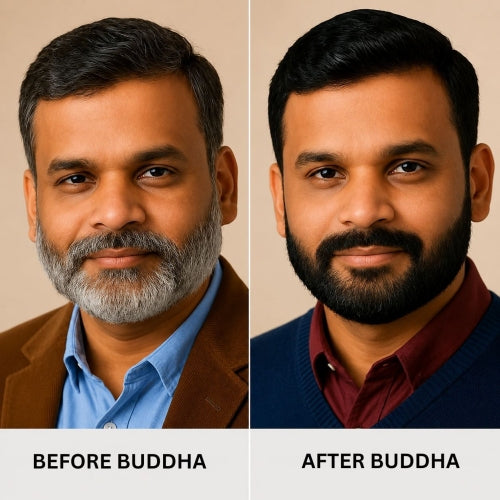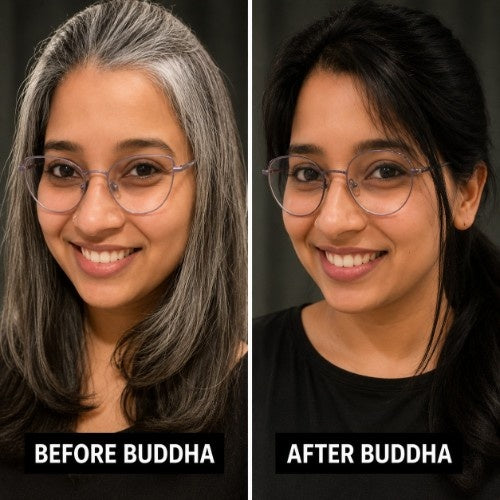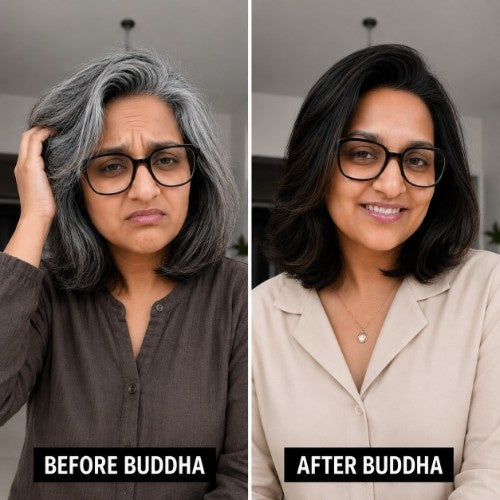

Grey hair is one of the earliest visible signs of ageing. While many people first notice grey hair on their scalp, others experience greying in their beard years earlier. For some men, a salt-and-pepper beard becomes a defining style. Others prefer to maintain a darker, more uniform beard appearance.
This has led many people to search for the best beard oil for grey beard. The challenge is that the market is filled with products making bold promises. Some claim to reverse grey hair permanently, while others advertise dramatic results within days. Scientific evidence, however, tells a more nuanced story.
A healthy beard serum cannot change your genetics, but a thoughtfully formulated botanical beard serum may help support beard and skin health, improve the appearance and texture of the beard, reduce dryness, and create conditions that help the beard look fuller and healthier.
In this guide, we'll explore:
- Why beard hair turns grey
- The biology of beard pigmentation
- What dermatologists know about premature greying
- Ayurvedic perspectives on beard care
- Ingredients that have scientific interest
- How to choose a quality beard serum
- Where a botanical formulation such as Buddha Natural Anti Grey Beard Hair Serum may fit into a consistent beard-care routine.
Why Does a Beard Turn Grey?
Every hair follicle contains specialized pigment-producing cells known as melanocytes. These cells produce melanin, the pigment responsible for hair colour.

Advanced Gro Hair Clinic - Reason for White beard Licensed under CC BY 2.0
As we age, melanocytes gradually become less active. Eventually, they stop producing sufficient pigment, causing new hairs to emerge grey, silver, or white. Research over the past two decades has shown that this process is influenced by several factors:
- Genetics
- Age
- Oxidative stress
- Inflammation
- Environmental exposure
- Smoking
- Nutritional deficiencies in some individuals
- Certain medical conditions
Importantly, the beard often greys differently from scalp hair because facial hair follicles respond to hormones differently and have distinct growth cycles.
Why Does Beard Hair Sometimes Grey Before Scalp Hair?
Dermatologists frequently observe that beard hair may begin greying before scalp hair.

Buddha Natural - Grey Beard Serum Licensed under CC BY 2.0
Several biological differences contribute:
- Facial hair has different androgen sensitivity.
- Beard follicles experience different oxidative stress patterns.
- Beard hair is coarser than scalp hair.
- Facial skin is exposed daily to sunlight, pollution and shaving.
Because of these factors, some men first notice isolated white beard hairs in their late twenties or early thirties, even while the scalp remains dark.
Understanding Beard Pigmentation
Hair color depends on two primary pigments:
- Eumelanin – black and brown shades
- Pheomelanin – yellow and reddish shades
Grey hair develops when pigment production decreases rather than because a new grey pigment is produced. Researchers studying hair biology have found that oxidative stress plays a major role in reducing melanocyte function over time. Hydrogen peroxide can accumulate inside hair follicles, affecting pigment production. This discovery has made antioxidants an area of continuing research in hair biology.
Common Causes of Grey Beard
1. Genetics - Genetics remains the strongest predictor of when beard hair begins turning grey. If your parents or grandparents developed a grey beard early, your likelihood is higher. No topical product has been shown to completely overcome genetic programming.
2. Age - Age remains the most common cause. Many dermatologists observe that:
- Isolated grey beard hairs may appear during the late 20s or 30s.
- More noticeable greying commonly develops during the 40s.
- Extensive greying becomes increasingly common with advancing age.
The exact timing varies considerably between individuals and ethnic backgrounds.
3. Oxidative Stress - One of the most researched mechanisms involves oxidative stress. Reactive oxygen species may damage melanocytes over time. This is why many beard-care formulations include botanical ingredients traditionally valued for their antioxidant properties.
4. Smoking - Multiple observational studies have found an association between cigarette smoking and premature hair greying. While smoking is unlikely to be the sole cause, reducing tobacco exposure may benefit overall skin and hair health.
5. Nutritional Factors - In some people, deficiencies involving nutrients such as:
- Vitamin B12
- Iron
- Copper
- Folate
- Vitamin D
Anyone with rapidly changing hair colour or suspected deficiencies should consult a healthcare professional for evaluation.
At What Age Does Beard Greying Usually Start?
There is no universal age because genetics plays a dominant role. However, dermatology literature and clinical experience suggest general patterns:

Buddha Natural - Grey Beard At 25 Licensed under CC BY 2.0
-
Under 25: Beard greying is usually minimal or absent in this age group. However, some individuals may experience premature beard greying due to genetic factors, nutritional deficiencies, stress, or other lifestyle influences.
-
25–34 Years: The first few grey beard hairs often begin to appear, particularly in people with a genetic predisposition. Greying at this stage is generally limited to isolated strands rather than widespread changes.
-
35–44 Years: A noticeable salt-and-pepper beard becomes increasingly common during these years. The mix of dark and grey hairs gradually becomes more visible as natural melanin production declines.
-
45–54 Years: Grey beard density typically increases, with a larger proportion of facial hair losing its natural pigment. The beard often appears more evenly grey compared to earlier stages.
- 55 Years and Above: Extensive beard greying is common, with most or all facial hair turning grey or white as part of the normal ageing process.
These are broad trends rather than strict rules.
Is It Possible to Reverse Grey Beard Naturally?
Current scientific evidence suggests that the effectiveness of topical oils and serums in supporting natural hair pigmentation varies from person to person, with individual results influenced by factors such as genetics, age, and the underlying cause of greying. However, researchers continue to study the biology of hair pigmentation, oxidative stress, and melanocyte function. A quality beard serum will help by:
- Improving beard softness
- Reducing dryness
- Conditioning coarse beard hair
- Supporting healthier-looking hair
- Improving beard manageability
- Nourishing the skin beneath the beard
These cosmetic benefits can make a beard appear healthier and better maintained, even though they should not be confused with proven pigment restoration.
What Makes a Good Beard Oil for Grey Beard?
When choosing a beard oil or beard serum, look for formulations that emphasize nourishing, conditioning, and botanical ingredients rather than unrealistic promises.

Healthline - Benefits Of Natural Ingredients Licensed under CC BY 2.0
A well-designed beard serum may include oils traditionally used in hair care, such as:
- Amla
- Bhringraj
- Brahmi
- Rosemary
- Jojoba
- Castor oil
- Almond oil
- Olive oil
Each of these ingredients has a long history of use in traditional hair-care practices. Some also have laboratory or early-stage research suggesting antioxidant or hair-conditioning properties.
A Botanical Option: Buddha Natural Anti Grey Beard Hair Serum
For individuals who prefer a plant-based beard-care routine, Buddha Natural Anti Grey Beard Hair Serum is one option to consider. The serum combines multiple botanical oils traditionally used in Ayurvedic-inspired hair care. Its formulation is intended to nourish beard hair and the underlying skin while supporting a healthy grooming routine. Rather than expecting overnight changes, it is more realistic to view such a serum as part of a consistent long-term beard-care regimen that includes:
- Gentle cleansing
- Daily moisturisation
- Balanced nutrition
- Protection from excessive environmental stress
- Consistent grooming
Choosing products with transparent ingredient lists and clear directions for use is generally preferable to products that rely on exaggerated claims.
The Science Behind Beard Oils for Grey Beard: What Research Says
Dermatologists generally agree that beard oil has been conclusively shown in large, high-quality clinical trials to permanently restore natural pigment to grey beard hair. At the same time, well-formulated beard oils can improve beard quality, hydration, softness, and the condition of the skin underneath, which may make a beard look healthier and better maintained. The goal, therefore, is to choose products based on ingredient quality, safety, and realistic benefits rather than exaggerated claims.
Ingredients Worth Looking For
1. Amla (Indian Gooseberry) - Amla has been used for centuries in Ayurvedic hair care. It is naturally rich in vitamin C, polyphenols, tannins, and other antioxidant compounds. In Ayurvedic practice, amla is traditionally regarded as a Rasayana (rejuvenative) ingredient that supports healthy hair. Modern laboratory research has explored its antioxidant activity, Potential benefits include:
- Antioxidant support
- Conditioning of hair shafts
- Improved beard softness
- Support for healthier-looking hair
2. Bhringraj (Eclipta alba) - Bhringraj is one of the best-known herbs in Ayurvedic hair care. Traditional Ayurvedic texts describe it as beneficial for maintaining healthy hair and scalp. Experimental studies have investigated its effects on hair growth and follicle biology. Potential cosmetic benefits include:
- Conditioning dry beard hair
- Supporting beard manageability
- Helping reduce breakage from dryness
3. Brahmi (Bacopa monnieri) - Brahmi is widely known in Ayurveda for its traditional use in supporting overall wellness. When incorporated into hair-care formulations, Brahmi is primarily valued for:
- Moisturising properties
- Skin conditioning
- Antioxidant constituents
While these characteristics make it a popular ingredient in beard serums, they should not be interpreted as proof of pigment restoration.
4. Rosemary Oil - Among botanical ingredients, rosemary oil has attracted considerable scientific interest. Research has primarily focused on scalp hair growth rather than beard pigmentation. One frequently cited clinical study compared rosemary oil with topical minoxidil for androgenetic alopecia and found improvements in hair count after six months, although the mechanism relates to hair growth rather than re-pigmentation. For beard care, rosemary oil is commonly included because it may:
- Help maintain a healthy skin environment
- Condition beard hair
- Provide antioxidant compounds
5. Jojoba Oil - Jojoba oil closely resembles human sebum. This makes it particularly useful for:
- Reducing beard dryness
- Softening coarse hair
- Improving beard shine
- Supporting the skin barrier
Grey beard hair is often drier and coarser than pigmented hair, so jojoba oil can improve comfort and appearance.
6. Castor Oil - Castor oil has long been used in traditional grooming. Many beard oils include castor oil because of its:
- Rich emollient properties
- Ability to coat the hair shaft
- Moisturising effect
This can make coarse grey beard hair feel smoother and easier to manage.
7. Sweet Almond Oil - Sweet almond oil contains fatty acids and vitamin E that help improve beard softness. Regular conditioning may reduce:
- Frizz
- Rough texture
- Dry ends
This is especially valuable for mature beards, which often become more brittle over time.
What Dermatologists Say About Grey Hair
Several leading dermatologists and hair researchers have contributed substantially to our understanding of hair greying.
Dr. Ralph M. Trüeb - Dr. Ralph M. Trüeb, a Swiss dermatologist and internationally recognised hair researcher, has extensively studied oxidative stress and hair ageing. His work highlights that oxidative stress contributes to melanocyte dysfunction and the ageing of hair follicles.
Dr. Deepika Pandhi - Dr. Deepika Pandhi, Professor of Dermatology at the All India Institute of Medical Sciences (AIIMS), has published influential work on premature greying of hair. Her research emphasises that premature greying is a multifactorial condition influenced by:
- Genetics
- Nutrition
- Environmental factors
- Smoking
- Medical disorders
She also notes that careful clinical evaluation will be appropriate when greying develops unusually early.
Dr. Desmond Tobin - Professor Desmond Tobin is internationally recognised for his work on hair pigmentation biology. His research has advanced scientific understanding of melanocytes, hair follicles, and pigmentation pathways, providing much of the modern framework for studying hair color changes.
The Ayurvedic Perspective - Discuss premature graying of hair in the context of imbalances related to Pitta dosha, aging, diet, and lifestyle. Traditional Ayurvedic recommendations typically include the following:
- Daily oil massage
- Adequate sleep
- Stress management
- A nutrient-rich diet
- Use of botanicals such as amla and bhringraj
Anyone considering Ayurvedic treatment for medical conditions should consult a qualified Ayurvedic physician.
Beard Oil vs Beard Serum
Many consumers use these terms interchangeably, but they are not always identical.
1. Beard Oil
- Conditions and Nourishes the Beard: Beard oil is primarily designed to moisturize and condition beard hair, helping reduce dryness, frizz, and brittleness while improving overall beard health.
- Rich, Nourishing Texture: It has a thicker, oil-based consistency that provides long-lasting hydration and creates a protective layer to lock in moisture.
- Best for Dry Beards: Beard oil is especially suitable for dry, coarse, or damaged beards that need extra nourishment and hydration.
- Focuses on Softness: Its main purpose is to soften beard hair, making it smoother, easier to manage, and more comfortable to maintain.
2. Beard Serum
- Lightweight Conditioning Formula: Beard serum often combines conditioning ingredients with lightweight botanical actives that help care for both the beard and the skin underneath.
- Fast-Absorbing Texture: Compared to beard oil, beard serum usually absorbs more quickly, leaving little to no greasy residue.
- Ideal for Daily Grooming: Its lightweight feel makes it suitable for regular use as part of a daily beard care routine.
- Supports Beard and Skin Health: Beard serum focuses on conditioning both the beard hair and the underlying skin, helping maintain a healthier-looking and well-groomed beard.
Both can play useful roles in a grooming routine depending on formulation.
What Should You Look for in a Beard Serum?
1. A quality beard serum should ideally have:
- Transparent ingredient disclosure
- Clearly stated directions for use
- Non-irritating formulation suitable for facial skin
- Botanical oils known for conditioning properties
2. Benefits of beard serum:
- Permanent reversal of grey hair
- Guaranteed regrowth for everyone
- Overnight colour restoration
- Results without consistent use
Where Buddha Natural Anti Grey Beard Hair Serum Fits
For readers interested in a botanical beard-care routine, Buddha Natural Anti Grey Beard Hair Serum is one option to consider.

Buddha Natural - Beard-Care Routine Licensed under CC BY 2.0
The formulation combines several plant-derived oils traditionally used in Ayurvedic-inspired hair care, including ingredients such as amla, bhringraj, brahmi, rosemary, jojoba, castor oil, and almond oil. These ingredients are primarily valued for:
- Conditioning beard hair
- Improving softness
- Nourishing the skin beneath the beard
- Supporting a healthier-looking beard with regular grooming
As with any cosmetic product, results can vary depending on genetics, age, grooming habits, and overall beard health. Users should follow the directions maintain realistic expectations regarding grey hair pigmentation.
Building a Consistent Beard-Care Routine
A beard serum works best as part of a broader grooming regimen:
- Cleanse the beard with a gentle beard wash.
- Pat the beard dry instead of rubbing vigorously.
- Apply a small amount of beard serum evenly.
- Massage into both the beard and the underlying skin.
- Comb through to distribute the product.
- Maintain a balanced diet and healthy lifestyle.
- Use consistently over time to support beard conditioning and appearance.
Consistency is more important than excessive application.
Daily Beard Care Routine for Grey Beard
Grey beard hair often becomes drier, coarser, and more prone to frizz than pigmented hair. A consistent grooming routine can improve its appearance and manageability.
1. Morning Routine (5–10 Minutes)
- Wash your face with a gentle cleanser.
- Cleanse the beard only if needed with a mild beard wash. Overwashing can strip natural oils.
- Pat the beard dry with a soft towel.
- Apply a few drops of beard serum or beard oil, depending on beard length and density.
- Massage the product into both the beard and the skin underneath.
- Comb or brush the beard to distribute the product evenly.
2. Evening Routine
- Clean the beard if exposed to dust, sweat, or pollution.
- Reapply a small amount of beard serum if dryness is noticeable.
- Avoid sleeping with a wet beard, as prolonged moisture may contribute to hair damage.
Lifestyle Factors That Influence Beard Health
While genetics remains the strongest factor in beard greying, several lifestyle habits can support overall hair health:
1. Balanced Nutrition - A diet rich in:
- Lean proteins
- Fruits and vegetables
- Whole grains
- Healthy fats
provides nutrients that support healthy hair structure.
2. Adequate Sleep - Sleep plays an important role in skin repair and overall well-being. Maintaining healthy sleep habits supports general health.
3. Stress Management - Psychological stress has been associated with hair changes in some studies. Techniques such as regular exercise, meditation, and mindfulness may contribute to overall wellness.
4. Smoking Cessation - Research has consistently linked cigarette smoking with premature hair greying. Quitting smoking benefits both overall health and hair health.
5. Sun Protection - Ultraviolet (UV) radiation can damage hair proteins and contribute to dryness. Wearing a hat during prolonged sun exposure may help protect both scalp and beard hair.
Common Myths About Grey Beard
Myth 1: Plucking One Grey Hair Causes More Grey Hair
Fact: Plucking a grey hair does not cause neighboring hairs to turn grey. Each hair follicle functions independently.
Myth 2: Beard Oil Can Permanently Reverse Grey Hair
Fact: Yes beard oil or serum has been conclusively proven in large clinical trials to permanently restore natural hair pigment in all individuals. Beard oils primarily condition and improve the appearance of the beard.
Myth 3: Washing the Beard Daily Causes Grey Hair
Fact: Washing with a gentle cleanser does not cause greying. However, harsh shampoos used too frequently may dry out beard hair.
Myth 4: Stress Is the Only Cause of Grey Hair
Fact: Genetics is the primary factor. Stress may contribute in some cases, but it is not the sole cause.
Myth 5: Grey Beard Hair Is Always Coarser
Fact: Many people experience a coarser texture with grey hair, but this varies from person to person.
Choosing the Right Beard Serum
When selecting a beard serum, consider the following:
-
Transparent Ingredient List: A beard serum with a clear and complete ingredient list helps you understand exactly what you're applying to your beard and skin. This transparency allows you to make informed choices based on your personal preferences and needs.
-
Botanical Conditioning Oils: Formulas containing botanical conditioning oils help nourish the beard, improve softness, and maintain hydration. These ingredients also help reduce dryness and make the beard feel smoother and healthier.
-
Lightweight Texture: A lightweight serum spreads easily and absorbs quickly, making it comfortable for everyday use without weighing down the beard or leaving a heavy residue.
-
Non-Greasy Finish: A non-greasy finish enhances comfort by keeping the beard feeling clean and natural while reducing the sticky or oily sensation often associated with heavier grooming products.
- Realistic Claims: Products with realistic, evidence-based claims are generally more trustworthy. Avoiding exaggerated promises helps build credibility and sets appropriate expectations for beard care results.
Why Some Men Choose Buddha Natural Anti Grey Beard Hair Serum
For those interested in a botanical grooming routine, Buddha Natural Anti Grey Beard Hair Serum offers a formulation that includes plant-derived oils traditionally used in Ayurvedic-inspired hair care:
- Reduce greying of beard hair
- Prevent premature greying
- Condition beard hair
- Moisturize the skin beneath the beard
- Improve beard softness
- Support a healthier-looking beard as part of a consistent grooming routine
Like any cosmetic product, outcomes vary among individuals depending on genetics, age, beard condition, grooming habits, and overall health.
Frequently Asked Questions
- Does beard oil remove grey hair ? - Yes, beard oil permanently removes gray hair while also nourishing and conditioning the beard, leaving it soft, healthy, and attractive. Some men notice individual improvements over time and even see their beard's natural color return.
- Will beard serum help make my beard black again? - Beard Serum is formulated with natural oils and herbal extracts traditionally used to support beard health and natural pigmentation. With regular use, It will help reduce the appearance of premature grey beard hair, gradually restore grey or white beard hair to a natural black appearance, and support a healthier, fuller-looking beard.
- Which ingredients are commonly found in beard serums ? - Common ingredients include jojoba oil, castor oil, sweet almond oil, amla, bhringraj, brahmi, rosemary oil, argan oil, and vitamin E.
- Is rosemary oil proven to reverse grey hair ? - Yes, rosemary oil will help reduce grey hair and make them black again..
- How often should beard serum be used ? - Apply a few drops to a clean, dry beard and gently massage it into the beard and the skin underneath for 2–3 minutes. It's best applied at night before bedtime and left on overnight. With regular daily use, visible improvements may be noticed in 8–12 weeks, although results can vary from person to person.
- Does shaving reduce grey hair ? - No. Shaving changes the length of hair, not its color or growth pattern.
- Can nutritional deficiencies contribute to premature greying ? - Certain deficiencies, including vitamin B12, iron, copper, and folate deficiencies, have been associated with premature greying in some individuals. A healthcare professional can evaluate suspected deficiencies.
- Is a grey beard unhealthy ? - No. Grey hair is usually a normal part of aging.
Conclusion
Grey beard hair is a natural part of aging for many men and is influenced primarily by genetics, age, and biological changes within the hair follicle.
By combining gentle cleansing, consistent grooming, a balanced lifestyle, and a quality botanical beard serum, many men find that their beards feel softer, look healthier, and become easier to manage. A plant-based grooming product, Buddha Natural Anti Grey Beard Hair Serum is formulated with natural oils and herbal extracts traditionally used to support beard health and natural pigmentation. With regular use, It will help reduce the appearance of premature grey beard hair, gradually restore grey or white beard hair to a natural black appearance, and support a healthier, fuller-looking beard. The best beard-care routine is one that supports the long-term health and appearance of your beard while being grounded in transparent ingredients and evidence-based guidance.
More about the Author : Dr. Kusum Singh, MD Dermatology, BAMS, PhD, Experience of 7 years.
Medical Review by: Dr. Nehal Gajera, Doctor, Clinical Researcher, BHMS, 17 Yrs
References
- Trüeb RM. - Oxidative stress in ageing of hair. International Journal of Trichology. 2009;1(1):6–14. Available at: https://pubmed.ncbi.nlm.nih.gov/20805969
- Tobin DJ. - Human hair pigmentation: biological aspects. Experimental Dermatology. 2008;17(7):573–591. Available at: https://pubmed.ncbi.nlm.nih.gov/18713071
- Pandhi D, Khanna D.- Premature graying of hair. Indian Journal of Dermatology, Venereology and Leprology. 2013;79(5):641–653. Available at: https://ijdvl.com/premature-graying-of-hair
- Panahi Y, et al.- Rosemary oil vs. minoxidil 2% for the treatment of androgenetic alopecia: A randomized comparative trial. skin med. 2015;13(1):15–21. Available at: https://pubmed.ncbi.nlm.nih.gov/25842469
- Tobin DJ.- Aging of the hair follicle pigmentation system. International Journal of Trichology. 2009;1(2):83–93. Available at: https://pubmed.ncbi.nlm.nih.gov/20927229
- Slominski A, et al.- Melanocytes and hair pigmentation biology. Physiological Reviews. 2005;85(4):1155–1228. Available at: https://pubmed.ncbi.nlm.nih.gov/15654948
- Arck PC, Handjiski B, Peters EMJ, Paus R.- Stress and hair biology: Exploring the connections. Experimental Dermatology. 2006;15(1):1–13. Available at: https://pmc.ncbi.nlm.nih.gov/articles/PMC1868107
- Tobin DJ.- Hair follicle pigmentation and aging. Pigment Cell Research. 2001;14(5):333–340. Available at: https://onlinelibrary.wiley.com/doi/10.1034/j.1600-0749.2001.140505.x
- World Health Organization (WHO).- Healthy diet.
Available at: https://www.who.int/news-room/fact-sheets/detail/healthy-diet
- American Academy of Dermatology (AAD).- Hair care: Tips for healthy hair. Available at: https://www.aad.org/public/everyday-care/hair-scalp-care/hair