
A beard is much more than facial hair—it is influenced by genetics, hormones, nutrition, and the biology of tiny pigment-producing cells known as melanocytes. The color of your beard depends primarily on how much pigment these cells produce within each hair follicle.
Some men naturally have black beards, while others develop brown, blonde, red, or mixed-color beards. It is also common for beard hair to become salt-and-pepper or grey over time as pigment production gradually decreases. Understanding beard pigmentation helps explain why beard color changes with age and why maintaining overall beard health is just as important as styling it.
What Is Beard Pigmentation?
Beard pigmentation refers to the natural coloring of beard hair that results from pigments produced inside the hair follicle. Every beard hair grows from a follicle containing specialized pigment cells called melanocytes. These melanocytes synthesize melanin and transfer it into the growing hair shaft, giving each strand its characteristic color. Healthy pigment production depends on several biological factors, including:

Beard SMP - Beard Pigmentation Licensed under CC BY 2.0
- Functional melanocytes
- Healthy hair follicles
- Adequate nutrient availability
- Genetic programming
- Hormonal regulation
- Protection from oxidative stress
When melanocyte activity declines or stops, newly growing beard hairs contain less pigment and gradually appear grey, silver, or white.
The Science of Melanin
The color of beard hair is determined by two major forms of melanin:
1. Eumelanin - Responsible for:
- Black beard
- Dark brown beard
- Deep brown shades
Higher eumelanin concentration creates darker beard colors.
2. Pheomelanin - Responsible for:
- Blonde beard
- Auburn beard
- Red beard
- Ginger beard
Individuals with higher pheomelanin levels often have lighter facial hair. Most people possess a combination of both pigments, resulting in unique beard shades. Research published by Dr. Desmond J. Tobin has shown that human hair color depends on the quantity, quality, and distribution of these pigments within the hair follicle pigmentary unit.
How Beard Hair Gets Its Color
The pigmentation process begins before a beard hair even emerges above the skin. The sequence is as follows:
Step 1 - Stem cells inside the follicle activate during the growth phase (anagen).
Step 2 - Melanocytes become active.
Step 3 - Tyrosinase, an important enzyme, converts the amino acid tyrosine into melanin.
Step 4 - Melanin granules are transferred into keratin-producing cells.
Step 5 - The beard hair grows carrying pigment throughout its shaft.
If melanocyte activity slows with age or oxidative stress, newly produced hairs contain progressively less melanin.
Why Is Beard Color Different from Scalp Hair?
Many men notice:
- Black hair with a reddish beard
- Brown hair with black beard
- Black scalp but grey beard
- Blonde beard with dark scalp
This is completely normal. Facial hair follicles respond differently to hormones than scalp follicles. The primary reason is the influence of androgens, especially testosterone and dihydrotestosterone (DHT), which regulate beard development independently of scalp hair. Different follicles also express pigment genes differently, producing variations in color.
Age Distribution of Beard Pigmentation Changes
Scientific literature suggests that beard pigmentation changes gradually throughout adulthood. Although genetics varies considerably, general trends include:
- 18–25 Years: Peak Beard Pigmentation - During this age, beard pigment production is generally at its highest. As puberty is completed, beard color becomes more stable and consistent. Most men experience their natural beard shade with little or no greying during these years.
- 25–35 Years: First Signs of Grey Beard - Between the ages of 25 and 35, some men will begin noticing a few isolated grey beard hairs. This is more common in individuals with a strong family history of premature greying, although overall beard color typically remains unchanged.

Practo - Beard Greying At Young Age Licensed under CC BY 2.0
- 35–45 Years: Gradual Decline in Pigment - From 35 to 45 years of age, the activity of melanocytes—the cells responsible for producing hair pigment—gradually decreases. Men who are genetically predisposed to greying will notice a more visible increase in grey beard hairs during this stage.
- 45–60 Years: Salt-and-Pepper Beard - A mixed salt-and-pepper beard becomes increasingly common between 45 and 60 years. As pigment-producing cells continue to decline, grey and dark hairs coexist, creating the characteristic blended appearance.
- 60+ Years: Predominantly Grey or White Beard - After the age of 60, many men experience widespread grey or completely white beard hair. This occurs because melanocytes become significantly depleted with age, resulting in little or no melanin production in new beard hair growth.
Dermatologists emphasize that genetics remains the strongest predictor of when beard greying begins.
Why Does Beard Pigmentation Fade?
Researchers have identified several factors that will contribute to reduced beard pigmentation:
1. Genetics: - The single biggest determinant. If close family members experienced early beard greying, your chances increase significantly.
2. Ageing: - Melanocyte stem cells naturally decline with age, reducing melanin production.
3. Oxidative Stress: - Reactive oxygen species (ROS) accumulate over time and will damage melanocytes. Studies by J M Wood.
4. Nutritional Deficiencies: - Some cases of premature greying have been associated with deficiencies in:
- Vitamin B12
- Iron
- Copper
- Ferritin
- Vitamin D
- Folate
These deficiencies should be evaluated by a healthcare professional, particularly when greying occurs unusually early.
5. Smoking: - Several observational studies have reported an association between cigarette smoking and earlier onset of hair greying.
6. Certain Medical Conditions: - Early beard greying will occasionally be associated with:
- Thyroid disorders
- Vitiligo
- Pernicious anemia
- Autoimmune conditions
- Rare genetic syndromes
If greying develops suddenly or alongside other symptoms, consultation with a dermatologist is advisable.
Can Beard Pigmentation Return Naturally?
One of the most common questions men ask is whether grey beard hair can regain its original color. The answer depends on why the pigmentation changed in the first place.

Pinterest - Grey Beard Before and After Licensed under CC BY 2.0
1. When Pigmentation Will Improve: - In some cases, beard pigmentation will improve if the underlying cause is identified and treated. Examples include:
- Vitamin B12 deficiency
- Iron deficiency
- Copper deficiency
- Thyroid disorders
- Certain medication-related pigment changes
When these conditions are corrected under medical supervision, normal hair growth will resume, although the response varies from person to person.
2. When Greying Is Due to Genetics or Age: - If beard greying is primarily caused by genetics or the natural aging process. Dermatologists generally consider age-related greying a normal biological process rather than a disease.
What Does Current Research Say?
Research over the last two decades has significantly improved our understanding of hair pigmentation. Scientists now know that beard greying involves several biological mechanisms, including:
- Reduced melanocyte activity
- Loss of melanocyte stem cells
- Increased oxidative stress
- Accumulation of hydrogen peroxide inside hair follicles
- Reduced activity of antioxidant enzymes such as catalase
Research by J M Wood et al. demonstrated that excessive hydrogen peroxide will interfere with normal melanin production in hair follicles. Similarly, Professor Desmond J. Tobin, one of the world's leading hair pigmentation researchers, has shown that aging gradually affects the follicular pigmentary unit responsible for hair color.
Beard Pigmentation Myths vs Facts
-
Myth: Plucking One Grey Beard Hair Causes Many More to Grow
Fact: This is false. Each beard hair grows from its own individual hair follicle. Plucking one grey beard hair does not affect neighboring follicles or cause additional grey hairs to appear. -
Myth: Beard Oil Can Permanently Restore Melanin
Fact: Yes Definitely, beard oil will permanently restore melanin and restore black beard again. -
Myth: Stress Can Turn Your Beard Grey Overnight
Fact: Sudden overnight greying is extremely rare. However, long-term or chronic stress will contribute indirectly to premature greying by increasing oxidative stress and affecting the normal function of hair follicles. -
Myth: Only Older Men Get Grey Beards
Fact: Age is not the only factor responsible for beard greying. Genetics, nutritional deficiencies, smoking, and certain medical conditions can all contribute to premature grey beard hair in some individuals. -
Myth: Grey Beard Hair Is Weaker
Fact: Grey beard hair often feels coarser, drier, or more wiry because it produces less natural oil. However, grey hair is not necessarily weaker than pigmented beard hair.
Dermatologist-Recommended Beard Care for Healthy-Looking Facial Hair
While no grooming product can promise to reverse genetically determined greying, dermatologists recommend maintaining a healthy beard care routine to support beard quality and overall follicle health. A practical routine includes:
1. Cleanse Gently: - Wash your beard with a mild cleanser or beard shampoo to remove dirt, sweat, and excess oil without stripping the skin.
2. Moisturize Daily: - Hydrated beard hair is less prone to dryness, roughness, and breakage. Beard oils and serums help improve softness and manageability.
3. Eat a Balanced Diet: - A nutrient-rich diet containing protein, iron, zinc, copper, vitamins B12, D, and folate supports normal hair growth.

Beard Care - Healthy Beard Licensed under CC BY 2.0
4. Manage Stress: - Chronic stress will contribute to oxidative stress. Regular exercise, quality sleep, and relaxation techniques will support overall health.
5. Avoid Smoking: - Research has associated smoking with earlier hair greying and increased oxidative damage.
6. Protect Your Beard: - Excessive heat styling, harsh chemicals, and repeated coloring will damage the hair shaft. Gentle grooming helps maintain beard appearance.
An Ayurvedic Perspective on Beard Pigmentation
Ayurveda has long described the relationship between overall health and the condition of hair. Although classical Ayurvedic texts do not specifically discuss "beard pigmentation" in modern scientific terms, they describe Palitya (premature greying of hair) as a condition influenced by dosha imbalance, lifestyle, and aging. Traditional Ayurvedic principles emphasize:
- A balanced diet
- Proper digestion (Agni)
- Adequate sleep
- Stress management
- Scalp and facial oil massage (Abhyanga)
- Use of herbal preparations for hair care
Common herbs traditionally associated with healthy hair care include:
- Bhringraj (Eclipta alba)
- Amla (Emblica officinalis)
- Brahmi (Bacopa monnieri)
- Neem (Azadirachta indica)
- Hibiscus (Hibiscus rosa-sinensis)
Supporting Beard Health with a Consistent Grooming Routine
Although no cosmetic serum can guarantee restoration of natural beard pigmentation, maintaining healthy facial hair is still important. A consistent routine will help:
- Improve beard softness
- Reduce dryness
- Enhance shine
- Improve manageability
- Reduce frizz
- Support healthier-looking beard hair
For men who prefer plant-based beard care products, formulations containing botanical oils and herbal extracts can be incorporated into a daily grooming routine.
Where Buddha Natural Anti Grey Beard Hair Serum Fits In
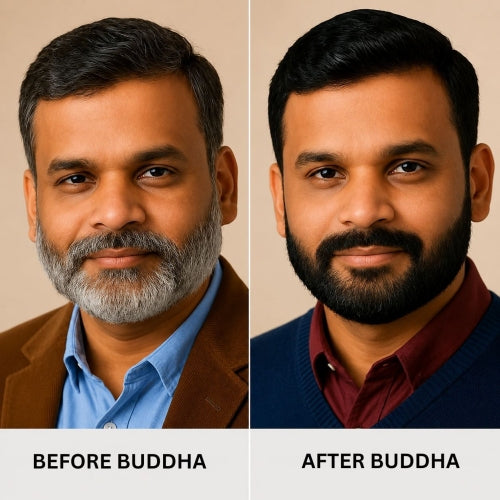
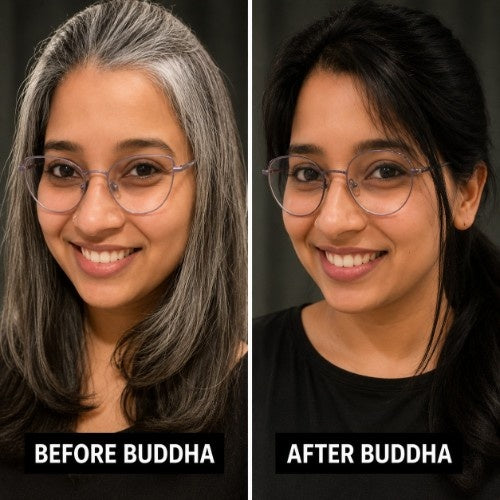
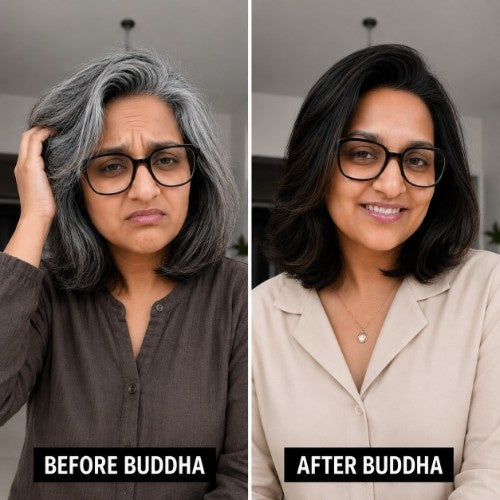
For men looking to improve the appearance and condition of their beard, Buddha Natural Anti Grey Beard Hair Serum can be included as part of a regular grooming routine. The serum is designed to nourish beard hair with a blend of natural ingredients that help condition facial hair and support a well-maintained appearance. Rather than viewing it as a cure for grey hair, it is more appropriate to think of it as a beard care product that will help:

Buddha Natural - Anti Grey Beard Serum Licensed under CC BY 2.0
- Moisturize beard hair
- Reduce dryness
- Improve softness
- Enhance natural shine
- Support healthier-looking facial hair
- Complement an overall beard care routine
For best results, it should be used consistently according to the product directions while maintaining healthy lifestyle habits.
Frequently Asked Questions (FAQs)
-
What is beard pigmentation? - Beard pigmentation is the natural coloring of beard hair, determined by the amount and type of melanin produced by melanocytes within each hair follicle. The balance of eumelanin (black/brown pigment) and pheomelanin (red/yellow pigment) creates your unique beard color.
-
Why is my beard turning grey even though my scalp hair is still black? - Beard and scalp hair follicles are biologically different. Facial hair follicles respond differently to hormones such as testosterone and dihydrotestosterone (DHT), and melanocytes in beard follicles will lose pigment at a different rate. Genetics also plays a major role.
-
Can grey beard hair become black again? - It depends on the cause. If premature greying is linked to a treatable medical condition—such as vitamin B12 deficiency, iron deficiency, thyroid disease, or certain medications—addressing the underlying issue will help normal hair growth.
-
Does stress cause beard greying? - Stress alone is not considered the sole cause of beard greying, but chronic stress will contribute to oxidative stress and influence the health of hair follicle pigment cells. Research suggests that stress will accelerate age-related changes in susceptible individuals.
-
Does plucking one grey beard hair make more grey hairs grow? - No. This is a common myth. Each hair follicle functions independently, so removing one grey hair does not affect the pigmentation of neighboring follicles.
- Is beard greying hereditary? - Yes. Genetics is considered the strongest predictor of when beard hair begins to lose pigmentation. If close family members experienced early greying, you will also be more likely to notice it at a younger age.
-
Is Buddha Natural Anti Grey Beard Hair Serum a hair dye? - No. It is intended as a beard care and grooming product, not as a hair dye. It is designed to help condition and nourish beard hair as part of a regular grooming routine.
- When should I consult a dermatologist? - You should consider consulting a dermatologist if: Beard greying begins unusually early (for example, in the late teens or early twenties).
• Greying is accompanied by hair loss, skin changes, or other symptoms.
• You suspect an underlying nutritional deficiency or medical condition.
• You want an evaluation for premature greying or advice on beard care.
-
Which vitamins are important for healthy hair pigmentation? - Healthy hair growth depends on an adequate intake of several nutrients, including:
• Vitamin B12
• Vitamin D
• Folate
• Iron
• Zinc
• Copper
• Protein
Deficiencies should be diagnosed and managed by a qualified healthcare professional.
Key Takeaways:
- Beard pigmentation depends on melanin produced by melanocytes within the hair follicle.
- Genetics is the primary factor influencing when beard hair begins to grey.
- Aging, oxidative stress, smoking, nutritional deficiencies, and certain medical conditions will also contribute.
- A healthy lifestyle, balanced nutrition, stress management, and consistent grooming support healthier-looking facial hair.
- Products such as Buddha Natural Anti Grey Beard Hair Serum can be incorporated into a beard care routine to help improve softness, hydration, and overall appearance.
Medical Disclaimer: -
This article is intended for educational and informational purposes only. It should not be interpreted as medical advice, diagnosis, or treatment. If you experience sudden or premature beard greying, hair loss, or other concerning symptoms, consult a qualified dermatologist or healthcare professional for personalized evaluation.
More about the Author: Dr. Kusum Singh, MD Dermatology, BAMS, PhD, Experience of 7 years.
Medical Review by: Dr. Nehal Gajera, Doctor, Clinical Researcher, BHMS, 17 Yrs
References: -
- Tobin DJ. Aging of the Hair Follicle Pigmentation System. International Journal of Trichology. 2009;1(2):83–93. Available at - https://doi.org/10.4103/0974-7753.58550
- Pandhi D, Khanna D. Premature Graying of Hair. Indian Journal of Dermatology, Venereology and Leprology. 2013;79(5):641–653. Available at - https://doi.org/10.4103/0378-6323.116733
- Trüeb RM. Oxidative Stress in Ageing of Hair. International Journal of Trichology. 2009;1(1):6–14. Available at - https://doi.org/10.4103/0974-7753.51923
- Wood JM, Decker H, Hartmann H, et al. Senile Hair Graying: H₂O₂-Mediated Oxidative Stress Affects Human Hair Color by Blunting Methionine Sulfoxide Repair. FASEB Journal. 2009. Available at -https://faseb.onlinelibrary.wiley.com/doi/10.1096/fj.08-125435
- Slominski A, Paus R, Costantino R. Differential Expression and Activity of Melanogenesis-Related Proteins During Hair Follicle Cycling. Journal of Investigative Dermatology (hair follicle pigmentation research). Available at -https://www.jidonline.org/
- Paus R, Tobin DJ. Hair Follicle Pigmentation. Pigment Cell Research. Available at -https://onlinelibrary.wiley.com/journal/16000749
- American Academy of Dermatology (AAD). Hair care and hair loss resources. Available at - https://www.aad.org/public/everyday-care/hair-scalp-care
- British Association of Dermatologists (BAD). Patient Information Leaflets – Hair Disorders. Available at - https://www.skinhealthinfo.org.uk/condition/hair-and-scalp-disorders/
- Charaka Samhita. Classical Ayurvedic Text – Chikitsa Sthana. Available at -https://www.wisdomlib.org/hinduism/book/charaka-samhita
- Sushruta Samhita. Classical Ayurvedic Text. Available at -https://www.wisdomlib.org/hinduism/book/sushruta-samhita-volume-1
- Ashtanga Hridaya. Rasayana (Rejuvenation) and Hair Health Concepts. Available at -https://www.wisdomlib.org/hinduism/book/ashtanga-hridaya-sutrasthana
- National Institutes of Health (NIH) – PubMed. Database of biomedical literature. Available at - https://pubmed.ncbi.nlm.nih.gov/