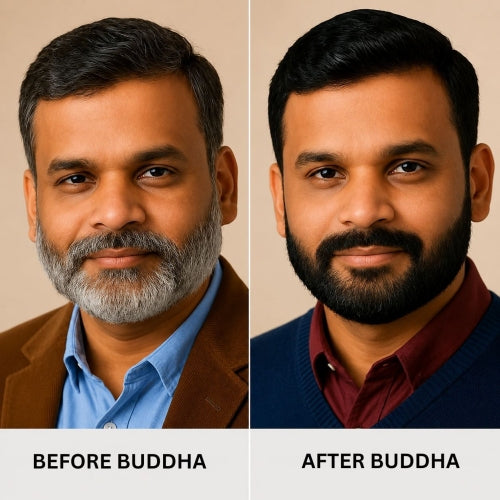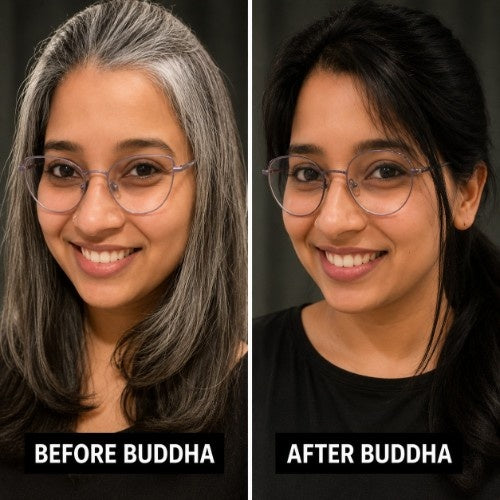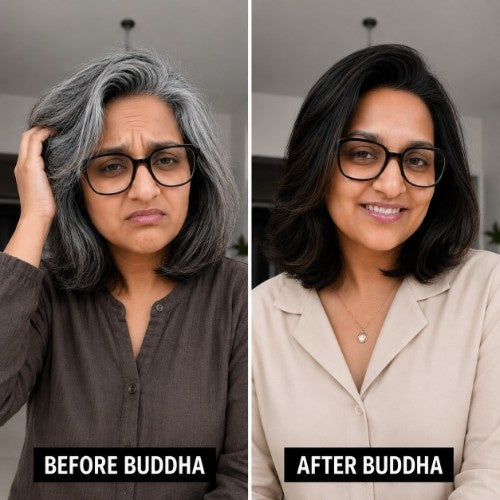

Growing a beard is often seen as a symbol of maturity, confidence, and personal style. However, maintaining a healthy beard goes far beyond trimming and shaping. Issues such as dryness, itchiness, rough texture, and premature greying can affect both the appearance and health of facial hair. While genetics play an important role in beard color and growth, everyday grooming habits, nutrition, environmental exposure, and age also influence how your beard looks over time.
Ayurveda, India's traditional system of holistic wellness, has long emphasized caring for hair through a combination of botanical ingredients, balanced nutrition, and healthy lifestyle practices. Rather than focusing on a single product or quick fix, Ayurvedic beard care encourages a routine that supports overall skin and hair health.
In this guide, you'll learn how beard hair grows, why it turns grey, what Ayurveda says about premature greying, and how to build a beard care routine using time-honored herbal ingredients alongside modern grooming practices. You'll also discover what to look for in an Ayurvedic beard serum if you're aiming to keep your beard looking healthy and well-conditioned.
What Is Ayurvedic Beard Care?
Ayurvedic beard care is an approach to grooming that combines cleansing, moisturizing, massage, nutrition, and the use of plant-based ingredients traditionally described in Ayurvedic literature. Unlike routines that rely only on styling products, Ayurveda views hair health as being influenced by both external care and internal wellbeing.

Pubmed Central - Male Graying Beard Licensed under CC BY 2.0
Traditional Ayurvedic texts describe Khalitya (hair loss) and Palitya (premature greying) as conditions influenced by multiple factors, including ageing, dietary habits, stress, and imbalances in bodily functions. While classical texts primarily discuss scalp hair, many of the same principles are applied today to beard care because beard hair is also composed primarily of keratin and grows from follicles embedded in the skin.
Modern dermatology likewise recognizes that hair health depends on factors such as genetics, nutrition, hormone levels, inflammation, and oxidative stress. These shared principles make it possible to combine traditional grooming practices with evidence-based skin and hair care.
Understanding Beard Hair Growth
To understand how to care for your beard, it's helpful to first know how beard hair develops. Each beard hair grows from an individual follicle located beneath the skin. Hair growth follows a repeating cycle made up of three main phases:
1. Anagen (Growth Phase) - This is the active growth stage. Beard hair can remain in this phase for several months to several years, depending largely on genetics. Men with a longer anagen phase are often able to grow fuller, longer beards.
2. Catagen (Transition Phase) - The follicle briefly shrinks and hair growth slows. This phase typically lasts only a few weeks.
3. Telogen (Resting Phase) - Older hairs naturally shed while new hairs begin forming underneath. It is normal to lose a small number of beard hairs every day as part of this continuous renewal process.
The speed and density of beard growth are influenced by:
- Genetics
- Testosterone and dihydrotestosterone (DHT)
- Nutrition
- Age
- Overall skin health
- Daily grooming habits
Why Does Beard Hair Turn Grey?
One of the most common questions men ask is: Why is my beard turning grey before the hair on my head? The answer lies in the biology of pigmentation.
Hair color comes from a natural pigment called melanin, which is produced by specialized cells known as melanocytes. As hair grows, melanocytes transfer pigment into the hair shaft, giving it its natural color.
Over time, melanocyte activity gradually declines. When less melanin is produced, newly growing hairs appear grey, silver, or white. This process is a normal part of ageing and is influenced by several factors, including genetics and oxidative stress. Research has shown that the gradual depletion of functional melanocyte stem cells is a key mechanism underlying age-related hair greying.
Beard hair often appears to grey earlier than scalp hair because facial hair follicles can age differently and are influenced by local hormonal and biological factors. However, the exact pattern varies from person to person.
Common Causes of Premature Beard Greying
Although ageing is the most common reason for grey hair, several factors may contribute to earlier greying.
1. Genetics - Family history is one of the strongest predictors of when beard or scalp hair begins to lose pigment. If close relatives experienced early greying, you may notice similar changes.
2. Oxidative Stress - Hair follicles naturally produce reactive oxygen species during normal metabolism. When the body's antioxidant defenses are overwhelmed, oxidative stress may damage melanocytes, the cells responsible for producing pigment. Researchers have identified oxidative stress as one of the mechanisms associated with premature hair greying.
3. Nutritional Deficiencies - Some studies have found associations between premature greying and lower levels of certain nutrients, including vitamin B12, iron, copper, ferritin, and vitamin D. These deficiencies do not explain every case of grey hair, but maintaining a balanced diet supports overall hair health.
4. Ageing - As people grow older, melanocyte activity naturally declines. This is a normal biological process rather than a disease.
5. Smoking - Several observational studies have reported an association between smoking and earlier onset of hair greying. Smoking is also linked with increased oxidative stress throughout the body.
6. Chronic Stress - Stress is unlikely to be the sole cause of grey hair, but emerging research suggests it may influence melanocyte stem cells through complex biological pathways. Managing stress is therefore beneficial for overall wellbeing, even though it cannot guarantee preservation of natural hair color.
Can Grey Beard Hair Become Dark Again?
This is one of the most frequently searched questions online. For most people, naturally occurring age-related greying is considered a permanent biological process.

Buddha Natural - Anti Grey Beard Serum Licensed under CC BY 2.0
However, if greying is related to an underlying nutritional deficiency or another treatable medical condition, addressing that cause may improve hair health. Maintaining a healthy lifestyle, eating a balanced diet, and following a consistent beard care routine can help keep beard hair soft, conditioned, and healthy-looking.
For men interested in Ayurvedic grooming, products containing botanical ingredients such as amla, bhringraj, or other nourishing extracts may be incorporated into a daily routine to support beard conditioning and overall hair appearance. When choosing such products, look for transparent ingredient lists and realistic claims rather than promises of guaranteed color restoration.
What Ayurveda Says About Premature Beard Greying
Ayurveda, the traditional system of medicine that originated in India over 3,000 years ago, views hair health as a reflection of overall physical and mental well-being. Rather than treating hair concerns in isolation, Ayurvedic principles emphasize balancing the body through proper nutrition, lifestyle, stress management, and herbal support. Although classical Ayurvedic texts primarily discuss scalp hair, many of the same concepts are applicable to beard hair because both are composed of keratin and develop from similar hair follicles.
One of the conditions described in Ayurveda is Palitya, which refers to premature greying of hair. Ancient texts such as the Charaka Samhita, Sushruta Samhita, and Ashtanga Hridaya associate Palitya with factors including ageing, dietary imbalance, emotional stress, and disturbances in the body's functional energies (doshas). These classical descriptions provide a traditional framework for understanding hair health, although they should not be interpreted as direct equivalents of modern medical diagnoses. Today, many Ayurvedic practitioners recommend a combination of nourishing herbs, regular scalp or facial massage, balanced nutrition, adequate sleep, and stress management as part of a holistic hair-care routine.
Modern Science and Ayurveda: Where They Overlap
While Ayurveda and modern dermatology are based on different systems of knowledge, they share several practical principles:
- Ayurveda
- Healthy digestion supports hair health.
- Daily oil massage nourishes hair.
- Herbal ingredients help maintain healthy hair.
- Managing stress supports healthier hair.
- Regular self-care promotes overall hair wellness.
- Modern Dermatology
- Balanced nutrition supports normal hair growth.
- Conditioning reduces dryness and breakage.
- Some botanicals provide antioxidant and anti-inflammatory benefits.
- Chronic stress can affect hair biology.
- Consistent grooming improves beard health and appearance.
Modern research does not confirm every traditional Ayurvedic claim, but it does support the importance of healthy skin, balanced nutrition, and protection from oxidative stress in maintaining healthy hair.
Best Ayurvedic Herbs for Beard Care
Many beard care products inspired by Ayurveda include botanical extracts that have been used traditionally for hair care. While historical use is extensive, clinical evidence varies by ingredient. Understanding what each herb is traditionally used for—and what current research says—helps you make informed choices.
1. Amla (Indian Gooseberry) - Amla (Phyllanthus emblica) is one of the most well-known herbs in Ayurveda. Rich in naturally occurring vitamin C, polyphenols, and antioxidants, it has traditionally been used to support healthy hair and skin. Traditional Uses
- Promotes healthy-looking hair
- Supports scalp and skin health
- Used in Ayurvedic hair oils and herbal formulations
Scientific Perspective - Laboratory studies suggest that amla contains antioxidant compounds that may help protect cells from oxidative stress.
Why it may benefit beard care:
- Helps condition beard hair
- Supports healthy-looking facial skin
- May reduce dryness when used consistently in grooming products
2. Bhringraj (Eclipta alba) - Often called the "King of Herbs" for hair in Ayurveda, Bhringraj has been traditionally used for centuries in herbal hair oils. Traditional Uses
- Supports healthy hair
- Used in Ayurvedic formulations for premature greying
- Helps nourish hair roots
Scientific Perspective - Animal and laboratory studies suggest that extracts of Eclipta alba may influence hair follicle activity.
Potential grooming benefits:
- Helps moisturize beard hair
- Supports overall beard conditioning
- Common ingredient in premium herbal beard serums
3. Brahmi (Bacopa monnieri) - Brahmi is traditionally known for supporting mental wellness, but it is also used in Ayurvedic hair preparations. Traditional Uses
- Cooling herb
- Supports scalp health
- Used in nourishing hair oils
Scientific Evidence - Research primarily focuses on Brahmi's neurological effects rather than beard health. However, its antioxidant profile has made it a popular ingredient in botanical grooming products.
4. Neem - Neem has been valued in Ayurveda for centuries because of its cleansing properties. Traditional Uses
- Supports healthy skin
- Helps maintain scalp hygiene
- Common ingredient in herbal cleansers
Modern Research - Neem contains naturally occurring compounds with antimicrobial and anti-inflammatory properties. Maintaining healthy facial skin creates a better environment for comfortable beard growth.
5. Aloe Vera - Although not unique to Ayurveda, Aloe Vera is widely used alongside Ayurvedic herbs. Benefits
- Hydrates skin
- Helps reduce dryness
- Softens coarse beard hair
- Improves beard manageability
Aloe Vera is particularly useful for men who experience beard itch during early growth stages.
6. Coconut Oil - Traditional Ayurvedic grooming frequently incorporates coconut oil.
Scientific studies have shown that coconut oil can penetrate the hair shaft better than many other vegetable oils because of its fatty acid composition. Potential benefits include:
- Reduced protein loss from hair
- Improved softness
- Better moisture retention
- Reduced breakage
For beard care, this translates into a softer, smoother appearance.
7. Sesame Oil - Sesame oil has long been used in Ayurvedic massage (Abhyanga).
It contains vitamin E, fatty acids, and antioxidants that help moisturize skin and facial hair.
Why Consistency Matters More Than Quick Fixes
Healthy beard care is much like skincare—it benefits from regular, long-term habits rather than overnight solutions. A consistent routine that includes gentle cleansing, moisturizing, balanced nutrition, and appropriate grooming can help your beard look healthier, feel softer, and remain easier to manage over time.
For men interested in Ayurvedic grooming, using a beard serum formulated with traditional botanical ingredients can become part of this daily ritual, especially when paired with healthy lifestyle habits.
Daily Ayurvedic Beard Care Routine for a Healthy-Looking Beard
A healthy beard doesn't depend on a single product. It is the result of consistent care, proper hygiene, balanced nutrition, and choosing products that suit your skin and beard type. Ayurveda also emphasizes the importance of Dinacharya (daily routine), encouraging simple, sustainable habits that support overall well-being—including hair and skin health.

Buddha Natural - Anti Grey Beard Serum Licensed under CC BY 2.0
Below is a practical beard care routine that combines traditional Ayurvedic principles with modern grooming recommendations.
Morning Routine
1. Cleanse Your Beard Gently - Your beard collects sweat, dust, pollution, dead skin cells, and excess oil throughout the day. Washing it with a gentle beard cleanser helps maintain hygiene without stripping away natural oils. Tips:
- Wash your beard 2–3 times per week with a mild beard cleanser or beard shampoo.
- Avoid harsh soaps or shampoos formulated only for scalp hair, as they can leave facial hair dry.
- Use lukewarm water instead of very hot water to help preserve moisture.
A clean beard also allows conditioning products, such as beard serums, to spread more evenly.
2. Pat Dry Instead of Rubbing - After washing, gently pat your beard dry with a clean towel. Avoid vigorous rubbing, as wet hair is more prone to mechanical damage.
3. Apply a Beard Serum - Once your beard is mostly dry, apply a lightweight beard serum. Massage a few drops into both the beard and the skin underneath using your fingertips. This helps distribute the product evenly and ensures the skin beneath the beard also receives moisturizing care. When selecting a beard serum, look for botanical ingredients traditionally used in Ayurvedic grooming, such as:
- Amla
- Bhringraj
- Brahmi
- Aloe Vera
- Neem
- Coconut Oil
- Sesame Oil
These ingredients may help improve beard softness, hydration, and manageability as part of a regular grooming routine.
4. Comb Your Beard - Use a wooden comb or a wide-tooth beard comb. Combing helps:
- Reduce tangles
- Distribute natural oils
- Improve beard appearance
- Train beard hair to grow in a consistent direction
Avoid excessive brushing, which may increase mechanical stress on hair.
Evening Routine
Evening beard care focuses on cleansing away the day's impurities and supporting skin comfort overnight.
1. Remove Dirt and Pollution - If you spend long hours outdoors or commute through polluted environments, rinse your beard before bed. Pollution particles can settle on facial hair and contribute to skin irritation.
2. Massage the Beard Area - A gentle facial massage for one to two minutes is a common Ayurvedic self-care practice:
- Improve product distribution
- Promote relaxation
- Encourage a consistent grooming routine
3. Maintain Facial Skin Health - Healthy beard growth begins with healthy skin.
Keep the skin beneath your beard clean and moisturized to reduce dryness and flaking.
Weekly Beard Care Routine
In addition to daily grooming, consider these weekly habits.
1. Trim Split Ends - Regular trimming helps maintain shape and removes damaged ends.
Most men benefit from trimming every 3–6 weeks, depending on beard length and style.
2. Exfoliate the Skin - Exfoliating once a week helps remove dead skin cells trapped beneath facial hair. Gentle exfoliation may also reduce beard dandruff and improve overall skin comfort. Avoid aggressive scrubbing, which can irritate the skin.
3. Deep Conditioning - If your beard feels coarse or dry, applying a nourishing conditioning treatment once a week can improve softness. Look for products containing moisturizing botanical oils rather than heavy mineral oils.
Beard Oil vs Beard Serum
Many people use the terms interchangeably, but beard oil and beard serum are not always the same.
1. Beard oil
- Beard oil is primarily oil-based, adds shine, helps reduce dryness, and is ideal for longer beards.
- Beard oil may feel heavier, while beard serum is suitable for both short and long beards.
2. Beard Serum
- Beard serum combines botanical extracts with lightweight conditioning ingredients for hydration.
- Serums absorb faster and feel lighter than beard oils.
Both products help soften the beard and improve overall skin comfort beneath facial hair. Neither product is inherently "better." The choice depends on your grooming goals and personal preference. Men with oily skin often prefer lightweight serums, while those with very coarse or dry beards may enjoy richer oils.
How Nutrition Supports Beard Health
Although topical products improve beard appearance, nutrition plays an important role in maintaining healthy hair. Hair follicles are among the body's most metabolically active tissues and require an adequate supply of nutrients. A balanced diet supports normal hair growth and overall health.

AAD - Healthy Beard Licensed under CC BY 2.0
1. Protein - Hair is primarily made of keratin, a structural protein. Good sources include:
- Eggs
- Lentils
- Dairy
- Fish
- Chicken
- Soy products
2. Iron - Iron deficiency has been associated with certain forms of hair shedding. Sources include:
- Spinach
- Beans
- Pumpkin seeds
- Lean meat
3. Vitamin B12 - Vitamin B12 supports normal cell function.
Low levels have been reported in some individuals with premature hair greying, although this relationship is not universal.
4. Vitamin D - Vitamin D contributes to normal immune function and may influence hair follicle biology. Maintaining adequate vitamin D through sunlight exposure, diet, or supplementation (when recommended by a healthcare professional) supports overall health.
5. Zinc - Zinc contributes to normal protein synthesis and tissue maintenance. Dietary sources include:
- Nuts
- Seeds
- Legumes
- Seafood
6. Omega-3 Fatty Acids - Healthy fats support skin barrier function. Foods include:
- Flaxseed
- Walnuts
- Fatty fish
Lifestyle Habits That Affect Beard Health
Modern research increasingly recognizes that overall lifestyle influences hair and skin health.
1. Manage Stress - Stress affects many aspects of health, including sleep quality and hormonal balance. Simple stress-management practices include:
- Meditation
- Yoga
- Deep breathing
- Regular exercise
- Spending time outdoors
2. Sleep Well - During sleep, the body carries out important repair and maintenance processes. Aim for 7–9 hours of quality sleep each night.
3. Stay Hydrated - Hydration supports healthy skin, which in turn helps maintain comfortable beard growth. Drink adequate fluids throughout the day.
4. Avoid Smoking - Smoking has been associated with earlier hair greying and increased oxidative stress. Reducing or quitting smoking benefits overall health as well as skin and hair.
Choosing the Right Beard Serum
With so many beard care products available, selecting one can be challenging.
Here are some practical considerations:
1. Look for Transparent Ingredients - A reputable brand clearly lists its ingredients and avoids vague descriptions.
2. Prefer Botanical Ingredients - Many men interested in Ayurvedic grooming look for ingredients such as:
- Amla
- Bhringraj
- Brahmi
- Aloe Vera
- Neem
- Coconut Oil
These herbs have a long history of traditional use in hair care.
3. Consider Your Skin Type - If you have sensitive or acne-prone skin, choose lightweight formulations that are less likely to feel greasy.
Building a Sustainable Beard Care Routine
The most effective beard care routine is one you can follow consistently. Rather than frequently switching between products, establish a simple regimen:
- Cleanse regularly.
- Moisturize with a beard serum or oil.
- Comb daily.
- Trim periodically.
- Eat a balanced diet.
- Get enough sleep.
- Manage stress.
Over time, these habits can improve the look, feel, and manageability of your beard, even though they cannot change your genetic hair characteristics.
Why Consider Buddha Natural Anti Grey Beard Hair Serum in Your Beard Care Routine?
Choosing the right beard care product can make a noticeable difference in how your beard looks and feels. Beard serum can help nourish facial hair, improve softness, reduce dryness, and make your beard easier to manage. For men who prefer herbal grooming products, Buddha Natural Anti Grey Beard Hair Serum is designed to fit naturally into an Ayurvedic-inspired beard care routine. Rather than relying on harsh chemicals, it incorporates botanical ingredients commonly associated with traditional hair care practices. Whether you're maintaining a salt-and-pepper beard or simply looking to keep your beard healthy, using a beard serum consistently after cleansing can support hydration and improve the overall appearance of facial hair.
How to Use a Beard Serum Effectively
Using a beard serum correctly is just as important as choosing one with quality ingredients.
Step 1: Clean Your Beard - Wash your beard with a gentle beard cleanser to remove dirt, sweat, and excess oil.
Step 2: Dry Gently - Pat your beard dry with a towel. Slightly damp hair can help distribute the serum evenly.

Healthline - Beard Maintenance Tips and Tricks Licensed under CC BY 2.0
Step 3: Apply a Few Drops - Dispense a small amount into your palms.
Rub your hands together before working the serum evenly through your beard.
Step 4: Massage the Skin - Use your fingertips to gently massage the serum into the skin beneath your beard. Healthy facial skin creates a better environment for healthy-looking beard hair.
Step 5: Comb Your Beard - Finish by combing your beard to distribute the serum and improve grooming.
Common Beard Care Mistakes to Avoid
Even the best products cannot compensate for poor grooming habits.
Avoid these common mistakes:
1. Washing Too Frequently - Excessive washing removes natural oils and may leave the beard dry.
2. Ignoring the Skin Beneath the Beard - Many men focus only on the beard hair itself.
Healthy facial skin is equally important for maintaining a comfortable beard.
3. Using Harsh Soap - Body soap is often too drying for facial hair.
Choose products specifically designed for beard care whenever possible.
4. Applying Too Much Product - More is not always better. Using excessive amounts may leave the beard feeling greasy.
5. Expecting Overnight Results - Healthy grooming is about consistency rather than quick fixes. Whether you're using herbal products or conventional beard care products, regular use over time is generally more beneficial than inconsistent application.
Frequently Asked Questions
- Can Ayurveda permanently stop beard hair from turning grey? - Yes. Scientific evidence currently exists that shows that Ayurvedic products can permanently prevent or reverse age-related beard graying. However, Ayurvedic care practices can help maintain beard softness, moisture, and overall appearance.
- Is grey beard hair a sign of poor health? - Not necessarily. Grey hair is a normal part of ageing and is strongly influenced by genetics. However, if greying occurs unusually early or is accompanied by other symptoms, consulting a healthcare professional may help identify possible nutritional deficiencies or underlying medical conditions.
- Should I pluck grey beard hairs? - Generally, no. Plucking individual hairs does not prevent additional hairs from becoming grey and may irritate the hair follicle. Trimming is usually a better option if appearance is a concern.
- Can stress cause grey beard hair? - Stress alone is unlikely to explain all cases of grey hair. Research suggests that chronic stress may influence hair biology through complex cellular mechanisms, but genetics remain one of the strongest determinants of when hair loses pigment.
- Is beard serum better than beard oil? - Neither is universally better. Beard oils tend to provide richer moisturization, while beard serums are often formulated to absorb more quickly and combine conditioning ingredients with botanical extracts. Choose the product that best matches your beard type and grooming preferences.
- How long should I use a beard serum? - Consistency is important. Using a beard serum regularly as part of your daily grooming routine can help maintain softness, hydration, and manageability over time.
Key Takeaways
- Beard hair naturally turns grey as melanin production declines with age.
- Genetics are the strongest factor influencing when beard greying begins.
- Oxidative stress, nutrition, and lifestyle may also contribute.
- Ayurveda emphasizes holistic beard care through daily routines, balanced nutrition, and botanical ingredients.
- Herbs such as Amla, Bhringraj, Brahmi, Neem, and Aloe Vera have long histories of traditional use in hair care.
- Modern research supports the conditioning and antioxidant properties of several botanical ingredients.
- Gentle cleansing, hydration, and consistent grooming are essential for maintaining a healthy-looking beard.
Conclusion
A well-groomed beard is about more than appearance—it reflects consistent care, healthy habits, and attention to skin and hair health. While greying is a natural part of ageing for many men, adopting an Ayurvedic-inspired beard care routine can help keep facial hair soft, manageable, and well-conditioned. Daily practices such as gentle cleansing, regular moisturizing, balanced nutrition, and stress management all contribute to healthier-looking beard hair. Traditional Ayurvedic botanicals like Amla, Bhringraj, Brahmi, Neem, and Aloe Vera continue to be valued for their role in nourishing hair and supporting skin health, even as modern research continues to explore their full potential.
If you're looking to incorporate these principles into your grooming routine, Buddha Natural Anti Grey Beard Hair Serum offers a botanical-focused option that aligns with Ayurvedic beard care. Ultimately, the best beard care routine is one that combines realistic expectations with evidence-based grooming habits. By caring for both your beard and the skin beneath it, you can maintain a beard that looks healthy, feels comfortable, and complements your personal style for years to come.
More about the Author: Dr. Kusum Singh, MD Dermatology, BAMS, PhD, Experience of 7 years.
Medical Review by: Dr. Nehal Gajera, Doctor, Clinical Researcher, BHMS, 17 Yrs.
References:
- Tobin DJ. Aging of the hair follicle pigmentation system. International Journal of Trichology. Available at: https://pubmed.ncbi.nlm.nih.gov/20927229
- Tobin DJ. Human Hair Pigmentation—Biological Aspects. Experimental Dermatology. Available at: https://onlinelibrary.wiley.com/doi/full/10.1111/j.1468-2494.2008.00456.x
- Arck PC, Overall R, Spatz K, et al. Towards a "free radical theory of graying": Melanocyte apoptosis in the aging human hair follicle. Pigment Cell Research. Available at: https://onlinelibrary.wiley.com/doi/10.1111/j.1600-0749.2006.00347.x
- Trüeb RM. Oxidative stress in ageing of hair. International Journal of Trichology. Available at: https://pubmed.ncbi.nlm.nih.gov/20805969
- Pandhi D, Khanna D. Premature Greying of Hair. Indian Journal of Dermatology, Venereology and Leprology. Available at: https://ijdvl.com/premature-graying-of-hair
- Daulatabad D, Singal A, Grover C. Premature Hair Greying: A Comprehensive Review. Journal of Cosmetic Dermatology. Available at: https://onlinelibrary.wiley.com/doi/10.1111/jocd.13838
- International Journal of Trichology. Various publications on hair biology and pigmentation. Available at: https://www.ovid.com/jnls/ijot/fulltext/10.4103/0974-7753.58550~aging-of-the-hair-follicle-pigmentation-system
- Journal of Cosmetic Dermatology. Research on botanical ingredients used in cosmetic formulations. Available at: https://onlinelibrary.wiley.com/journal/14732165
- Journal of Ethnopharmacology. Studies on traditional medicinal plants used for hair care. Available at: https://www.sciencedirect.com/journal/journal-of-ethnopharmacology
- Phytotherapy Research. Reviews of antioxidant-rich herbal extracts. Available at: https://pmc.ncbi.nlm.nih.gov/articles/PMC3819501
- Skin Appendage Disorders. Hair follicle biology and pigmentation research. Available at: https://karger.com/sad
- Dermatologic Therapy. Hair disorders and management reviews. Available at: https://onlinelibrary.wiley.com/journal/dth
- Evidence-Based Complementary and Alternative Medicine. Reviews on Ayurvedic botanicals. Available at: https://onlinelibrary.wiley.com/journal/4747
- National Center for Biotechnology Information (NCBI). Hair follicle biology and melanocyte research. Available at: https://pmc.ncbi.nlm.nih.gov/articles/PMC4200743